News
The Inter-American Court of Human Rights condemns Peru for the forced sterilization and death of Celia Ramos
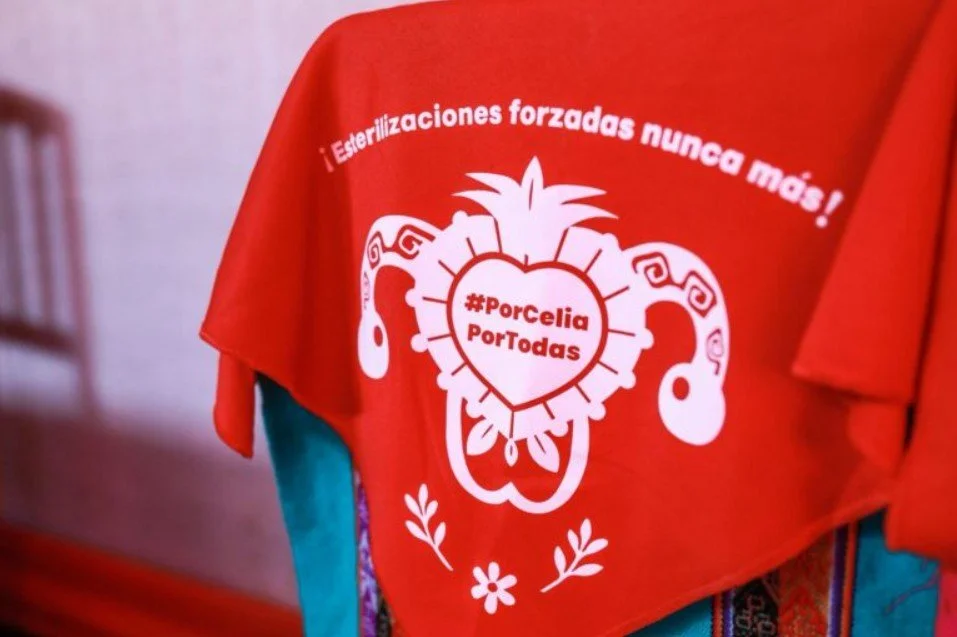
The Inter-American Court of Human Rights found the Peruvian State internationally responsible for the forced sterilization and death of Celia Ramos in 1997, within the framework of the National Reproductive Health and Family Planning Program during the government of Alberto Fujimori. The Court determined that this program operated as a state policy that promoted sterilization, especially targeting rural, Indigenous, and impoverished women.
The Court concluded that the State violated multiple rights of Celia Ramos, including the rights to life, personal integrity, health, liberty, privacy, and equality and non-discrimination, as well as the rights of her family. It also recognized that forced sterilizations constitute serious human rights violations and a form of reproductive violence.
The judgment establishes key standards, such as the obligation to guarantee prior, free, full, and informed consent in medical procedures, taking into account factors of structural discrimination and power relations within the health system.
Likewise, the Court ordered the State to investigate and punish those responsible, guarantee access to justice, adopt measures of non-repetition, and develop comprehensive public policies on sexual and reproductive health. It also ordered the creation of a reparations system for the victims and the inclusion of affected persons in the official registry.
The judgment constitutes a landmark precedent, as it is the first international condemnation concerning forced sterilizations in Peru, and it represents a significant step forward in the recognition of the rights of thousands of affected women.
©: Centre for Reproductive Rights
France amends its Criminal Code to include consent as a central element in the definition of rape
France passed Law No. 2025-1057, which amends the Criminal Code to redefine rape and sexual assault on the basis of lack of consent, thereby replacing the previous requirement of violence, threat, or coercion. In doing so, the country joins a broader European trend that places sexual autonomy at the center of criminal typification.
The Gisele Pelicot case was pivotal in triggering the legislative shift: the initial acquittal (despite a context that strongly suggested an absence of consent) exposed structural flaws in judicial assessment of evidence and sparked nationwide social mobilization. Feminist movements, human rights organizations, and associations of survivors argued that the previous framework perpetuated biases that shaped how courts evaluated victims’ testimony, contributing to persistently high levels of impunity.
Public pressure accelerated debate on Bill PPL 25-046 in the Senate and the National Assembly, leading to Public Vote No. 3061. The reform aligns with key international standards (the Istanbul Convention, CEDAW, and recommendations of the Human Rights Committee), which encourage consent-based legal definitions aimed at strengthening the protection of sexual autonomy.
Specialized organizations and jurists have expressed a generally positive view of the reform, though they emphasize that its effectiveness hinges on its practical implementation: adequate police protocols, training for judicial actors, consistent prosecutorial criteria, and comprehensive victim-support policies that minimize revictimization. The Pelicot case, which has become symbolic, ultimately served as a catalyst for a legislative change that seeks to build a system more compatible with human rights norms and with the State’s heightened duty to prevent, investigate, and punish sexual violence.
©FreePik
Sexual Violence and Protest: First Regional Report Exposes a Troubling Pattern in the Region
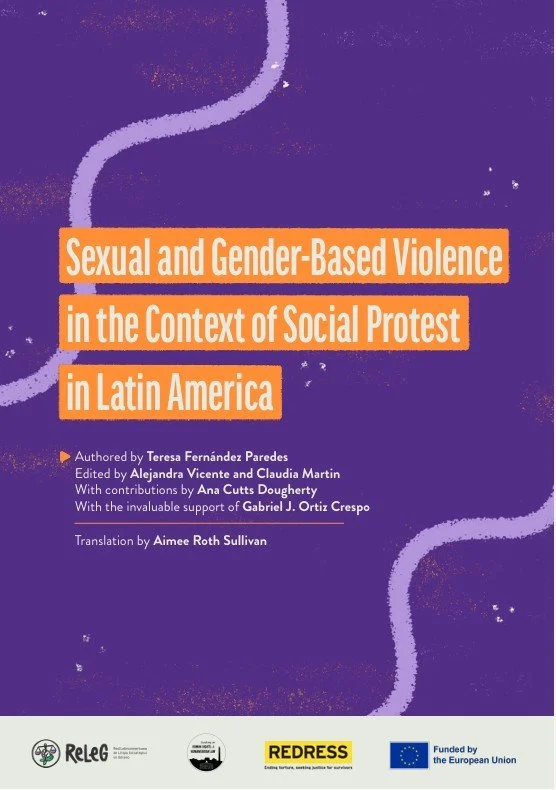
A report titled “Sexual and Gender-Based Violence in the Context of Social Protest in Latin America,” published by REDRESS, the Academy on Human Rights and Humanitarian Law of the American University Washington College of Law (AUWCL), and the Latin American Strategic Litigation Network on Gender-Based Violence (ReLeG), shows how SGBV has been used as a method of political and social repression in recent demonstrations in Argentina, Chile, Colombia, Honduras, Mexico, Nicaragua, Peru, and Venezuela.
This is the first report of its kind to specifically focus on SGBV as a tool of repression in the context of protests across the region. The report concludes that this violence often coincides with broader efforts in recent years to shrink civic space through the criminalization of protesters, mass detentions, and laws that protect security forces from being held accountable for abuses.
The report reveals that violence in demonstrations is not gender-neutral. SGBV is used particularly as a weapon against women, LGBTIQ+ people, and other marginalized groups. Survivors often remain silent due to shame, fear of reprisals, social stigma, or lack of trust in the justice system. Widespread impunity deepens this silence and perpetuates the cycle of violence. The report also highlights the systemic failure of States to incorporate a gender perspective into security policies and practices, in clear disregard for international and regional human rights standards.
The long history of racism, classism, colonialism and political repression under civic-military dictatorships in Latin America has created a context in which impunity thrives and peaceful protest is frequently viewed as a threat rather than a democratic right. Despite growing attention from regional and international human rights bodies, as well as the efforts of civil society organizations and collective litigation to make the problem visible, most cases remain unreported and unpunished, creating a deterrent effect on the exercise of fundamental rights such as freedom of expression, association, and peaceful assembly.
Based on extensive documentation from international organizations, the Inter-American Commission on Human Rights, the Inter-American Court of Human Rights, civil society organizations, and direct testimonies and case studies collected by the ReLeG network, the report demonstrates that these acts are not incidental, but rather a systematic practice used to punish and discourage the political participation of women and historically marginalized groups. In many cases, the incidents reach the threshold of torture or cruel, inhuman, or degrading treatment under international law.
The report makes an urgent call to document these violations, prosecute those responsible, and prevent their recurrence, so that SGBV is never again used as a political weapon to instill fear, silence dissent, and uphold a system of impunity. As a regional mapping report, it lays the groundwork for addressing a largely overlooked issue that requires broader discussion. Given the seriousness of the situation, the report urges Latin American States to consider substantive steps to reverse it.
©REDRESS
The Federal Chamber of Criminal Cassation of Argentina acquits two women in situations of vulnerability for drug trafficking
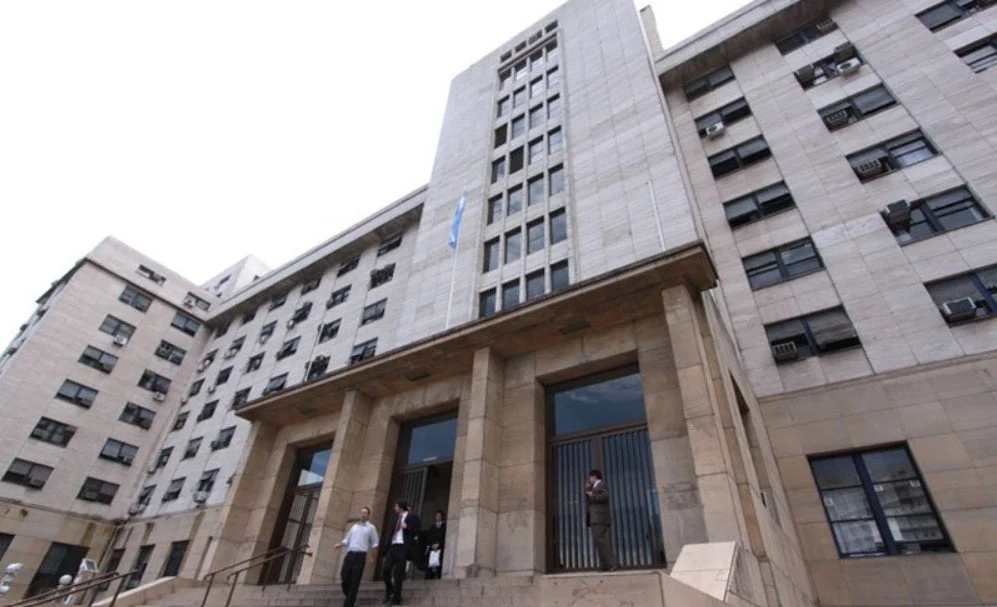
On 18th July 2025, the Federal Chamber of Criminal Cassation acquitted Teófila Vela Flores and María Luz Cardozo Gonzáles, both detained for transporting narcotics, considering it proven that they acted under conditions of extreme social, economic, cultural, and mental vulnerability, and that they were instrumentalized by a criminal organization.
The court emphasized that the women were used as “mules,” treated “as an object” or “as a package,” without any power of decision or control over what they carried, and with a replaceable role within the criminal structure. According to the ruling, the operation could have been carried out without their involvement, reinforcing the idea that they were merely instruments within the criminal machinery.
The Chamber also framed the case within the context of poverty, structural inequality, and violence affecting many women recruited as human couriers: “situations that concentrate a set of problems linked to the growth of poverty and structural inequality, with violence and lack of opportunities, generating conditions of social exclusion together with the total abandonment of the law. Even more so in the case of women or young people, employed as human couriers — even dehumanized under the label of ‘mules’ — and victimized under exploitative conditions in a context of absolute state neglect.” For this reason, the judges stressed the obligation to judge with a gender and human rights perspective, stating that “the court should have judged with a gender perspective, as required of all judicial operators, especially considering the recorded state of vulnerability.”
In this regard, they cited the Belém do Pará Convention and Law 26.485, recalling that violence against women includes psychological, social, and economic dimensions. The ruling emphasized that “the Belém do Pará Convention adopts a broad concept that encompasses all forms of violence directed against women because they are women, or that disproportionately affect women,” and that Law 26.485 defines violence as “any conduct, action or omission that, directly or indirectly, in either the public or private sphere, based on an unequal power relationship, affects their life, freedom, dignity, physical, psychological, sexual, economic or property integrity.”
©Argentina.gob.ar
The Inter-American Court of Human Rights recognizes the right to care as an autonomous human right
The Inter-American Court of Human Rights (IACtHR), in its Advisory Opinion OC-31/25 – “The content and scope of the right to care and its interrelation with other rights”, determined that care constitutes an autonomous human right, composed of three dimensions: the right to provide care, the right to receive care, and the right to self-care.
This right is closely linked to human dignity, equality, non-discrimination, personal autonomy, life, health, work, and social security.
The Court held that States have the obligation to respect, protect, and guarantee the right to care, including the duties to legally recognize it, organize comprehensive care systems, and adopt measures to prevent structural gender inequalities from being reinforced through the disproportionate assignment of caregiving responsibilities to women.
Furthermore, the Opinion emphasizes that care policies must be accessible, affordable, adequate, and of high quality, and must be designed with social participation, a gender perspective, intersectionality, and shared responsibility among the State, community, private sector, and families.
The Court underscored that the invisibility of unpaid care work constitutes a form of structural discrimination that perpetuates historical inequalities against women and undermines their economic autonomy, political participation, and personal development.

©OHCHR
The Committee on the Elimination of Discrimination against Women promotes women’s equal and inclusive participation in decision-making
The General Recommendation No. 40 (2024) of the Committee on the Elimination of Discrimination against Women interprets Article 7 of the Convention and elaborates on the scope of women’s right to equal and inclusive participation in all decision-making systems, including political, public, economic, social, cultural, and environmental spheres.
The Committee affirms that substantive equality requires not only women’s numerical presence but also their effective participation with real decision-making power, influence, and leadership.
It emphasizes that States parties are obligated to ensure gender parity (50/50) in decision-making positions, eliminate structural barriers to women’s access, and prevent violence, harassment, and hate speech directed at women in public life.
The Recommendation identifies political and digital gender-based violence as a form of discrimination that restricts full participation and requires States to adopt effective legal, policy, and protective mechanisms.
It further stresses that inclusive representation must reflect the diversity of women —by age, ethnicity, disability, sexual orientation, gender identity, migratory status, and other factors— through affirmative action, quotas, or temporary special measures.
Finally, the Committee links women’s participation to the prevention of structural violence and the strengthening of gender-equal democracies, urging States to ensure discrimination-free environments across public, private, and institutional settings.
©CEDAW
The Specialized Gender Network (REG) of the AIAMP Publishes the Ibero-American Model Protocol for the Investigation of Sexual Violence Cases
The Ibero-American Model Protocol for the Investigation of Sexual Violence Cases, developed by the Specialized Gender Network (REG) of the Ibero-American Association of Public Prosecutors (AIAMP), aims to strengthen the work of Public Prosecutors’ Offices across Ibero-America in addressing these crimes. It sets forth guidelines to ensure investigations and litigation are conducted in accordance with international human rights standards, incorporating a gender perspective, an intersectional approach, and a victim-centered focus throughout the process.
The document defines sexual violence as "any action with sexual connotation that infringes upon the autonomy and sexual freedom of a person, that is, committed without their consent," and establishes that investigations must be carried out under the duty of heightened due diligence, ensuring independence, impartiality, seriousness, and timeliness in prosecutorial action.
It also offers practical guidelines for designing investigation plans, collecting evidence, handling victim testimony, and formulating legal strategies, while consistently safeguarding and supporting victims throughout the criminal proceedings. Furthermore, it analyzes the various contexts in which sexual violence occurs, such as family, workplace, institutional, and digital environments, and emphasizes the need to foster inter-agency cooperation and the specialization of prosecutors.
The ultimate goal of the Protocol is to strengthen the justice system’s response by ensuring investigations are effective and respectful of victims’ rights, preventing revictimization, and promoting comprehensive reparation.
©IAMP
CEDAW Denounces Peru's Non-Compliance in Cases of Forced Sterilization
The CEDAW Committee published on October 25, 2024, its Decision regarding the joint complaint submitted by five victims who were forcibly sterilized between 1996 and 1997 as part of a state-led birth control policy (National Program for Reproductive Health and Family Planning) in Peru. It concluded that the forced sterilization policy implemented by Alberto Fujimori’s dictatorship constituted a form of sex-based violence and intersectional discrimination, disproportionately affecting indigenous women, rural women, and economically disadvantaged women. Forced sterilization was a form of sex-based violence against women, given that male and female sterilizations differ substantially in the nature of the intervention and the associated surgical risks.
The Committee noted that, despite having committed before the Inter-American Commission on Human Rights (IACHR) in 2003, through a friendly settlement agreement with the family members of María Mamérita Mestanza Chávez, a victim of forced sterilization, to conduct a thorough investigation and implement comprehensive reparation measures, Peru has still not established a reparation program as mandated by the Court nor fulfilled its obligation to properly investigate these violations and adequately compensate the victims of forced sterilizations. The Committee issued an urgent call to the State party to accelerate and expand its investigations, provide financial compensation and psychological support, and launch a comprehensive reparation program for the victims.
Finally, the Committee pointed out that widespread or systematic forced sterilization could constitute a crime against humanity and expressed concern over draft bill No. 6951/2023-CR, which seeks to prescribe crimes against humanity committed before 2002, as it contravenes international law.

©Wilber Salguero
Convictions Confirmed for Acts of Sexual Violence During the Argentine Military Dictatorship
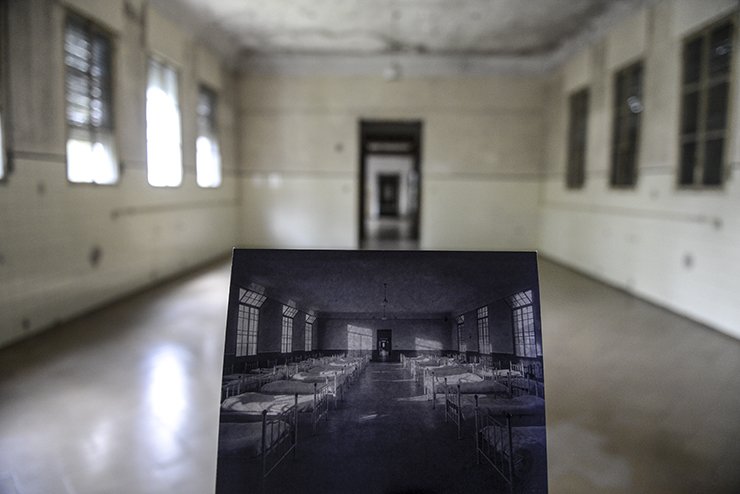
Chamber II of the Federal Criminal Cassation Court (Argentina). On October 9, 2024, the country’s highest criminal court confirmed the prison sentences of former military officers for acts of sexual violence against three women detained at the clandestine detention center operated at the Navy School of Mechanics (ESMA) during the last military dictatorship. This decision upholds the ruling issued by Federal Oral Court No. 5 of Buenos Aires on August 13, 2021, which convicted the defendants of repeated aggravated rape, repeated indecent assault, unlawful deprivation of liberty, and the infliction of torture.
This is the first time that acts of sexual violence against female prisoners have been classified as such within the framework of the “ESMA Megatrial,” a process addressing crimes perpetrated at that clandestine center. The decision marks a significant step forward by incorporating key elements of international law and a gender perspective, emphasizing the vulnerability of women in contexts of illegal detention.
Among the noteworthy aspects, the court reaffirmed the non-applicability of statutory limitations to crimes against humanity, based on customary norms in force during the 1976–1983 period. Additionally, it established that sexual crimes qualify as crimes against humanity, regardless of an express order from the military juntas. One of the defendants was also convicted as a co-perpetrator of the sexual crimes, despite not being physically present during the abuses.
This decision represents a clear advancement in the pursuit of justice for cases of sexual violence that remained hidden during the Argentine dictatorship.
©Infojus
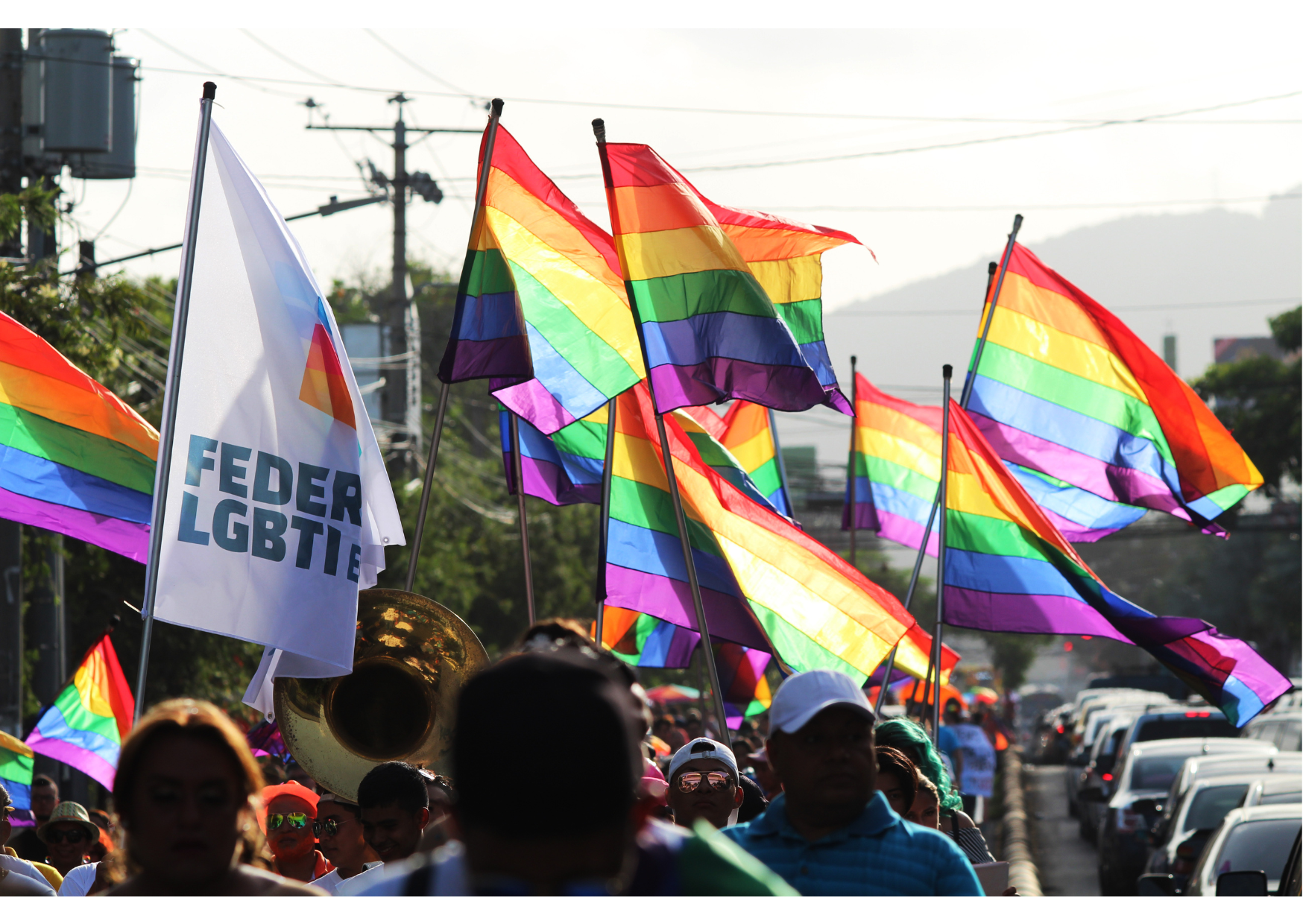
The UN Special Rapporteur Presents a Report on Violence and Unlawful Deaths Against LGBTIQ+ Persons
The UN Special Rapporteur on extrajudicial, summary, or arbitrary executions, Morris Tidball-Binz, presented a report on the alarming prevalence of unlawful deaths of lesbian, gay, bisexual, transgender, intersex, and gender-diverse (LGBTIQ+) persons. This document addresses the systematic violence, hate crimes, and structural discrimination faced by these communities, highlighting the importance of understanding patterns of violence and victim characteristics to improve investigation, prosecution, and prevention.
The report outlines significant deficiencies in judicial investigations of these crimes and analyzes landmark cases before the Inter-American Court of Human Rights, such as Azul Rojas Marín v. Peru and Vicky Hernández v. Honduras. These cases emphasize the need to investigate the discriminatory intent behind the killings. The case of Diana Sacayán in Argentina is also highlighted as an example of a diligent investigation with a gender and diversity perspective.
The document further examines crimes authorized or legitimized by the State, direct violence by security forces, and killings resulting from the State’s failure to protect the right to life of these communities. It also presents examples of good international practices, such as Norway’s Gender and Sexual Diversity Action Plan (2023–2026), the initiatives of the Swedish Police Authority (CERD/C/SWE/24-25), and the guidelines issued by the Office of the Attorney General of Colombia for investigating and prosecuting violence based on sexual orientation or gender identity.
The Special Rapporteur stresses the need to establish clear criteria for identifying bias motivations in crimes and to implement intersectional approaches that recognize the multiple inequalities victims face. He also highlights the importance of improving the collection of disaggregated data on discriminatory violence, citing initiatives such as Cattrachas in Honduras and the Brazilian observatory documenting these forms of violence.
Argentina Advances Investigations of Sexual Violence with a Gender Perspective
The Public Prosecutor's Office (MPF) of Argentina has presented an investigation and litigation protocol for cases of sexual violence with a gender perspective, developed by the Specialized Prosecutorial Unit on Violence Against Women (UFEM).
The Protocol contributes to strengthening investigations with a gender perspective, aligning with international standards of heightened due diligence that are mandatory for the Argentine State. This tool provides clear guidelines for investigating and litigating cases of sexual violence with a gender perspective, from the initial investigation stage, through trial, to the execution of the sentence.
The document, composed of 15 chapters, addresses key aspects such as the context of sexual violence, the particularities of sexual violence against the LGBTI+ population, guidelines for evidence collection and witness testimony, among other fundamental directives. Additionally, it details the international standards applicable to prosecutorial work and how these influence investigative strategies and the design of the case theory in criminal proceedings for sexual violence. It also includes checklists to facilitate the work of judicial operators.
The Protocol highlights the importance of the survivor’s testimony as the main direct evidence, emphasizing the absence of consent and eliminating the requirement to demonstrate physical injuries or active resistance by the victims.
With this initiative, Argentina joins other Latin American countries such as Colombia, Costa Rica, Panama, and Mexico, which have also adopted specific protocols for the investigation and litigation of cases of sexual violence.
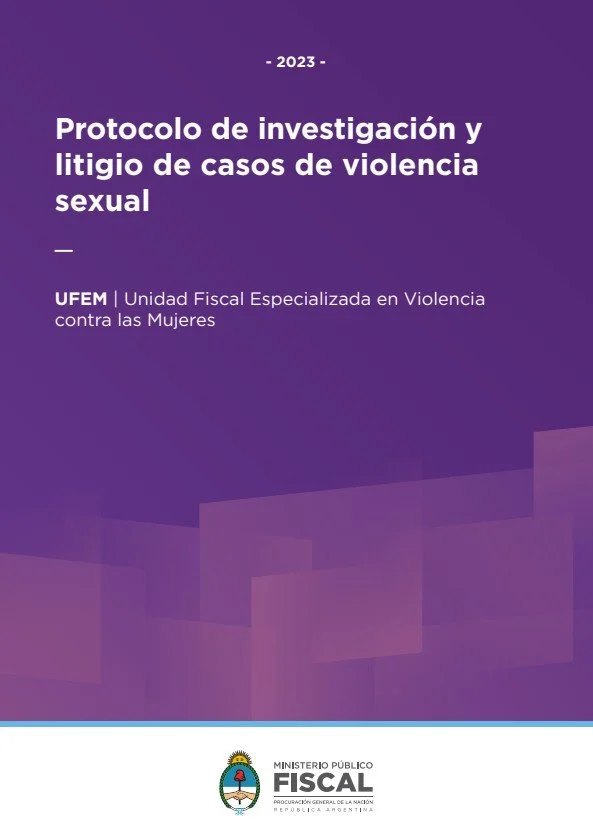
Copyright: MPF (Argentina)
The UN Special Rapporteur Presents a Key Report on Femicide/Feminicide and Its Investigation
The UN Special Rapporteur on extrajudicial, summary, or arbitrary executions, Morris Tidball-Binz, presented a key report to the General Assembly highlighting that femicide/feminicide is one of the most extreme and widespread forms of gender-based violence. This report not only denounces the magnitude of the problem but also offers a practical roadmap to address femicides/feminicides with a gender perspective, proposing specialized protocols to enable States to meet their international obligations and ensure justice for the victims.
The document emphasizes that investigating the killings of women and girls with a gender perspective is essential to making femicides/feminicides visible as such. This approach is key to establishing the truth, ensuring justice and reparations for victims and their families, and improving data collection, thus laying the foundation to prevent future tragedies.
The Special Rapporteur stresses that the investigation of unlawful deaths, including femicides and feminicides, constitutes a customary obligation under international law. Therefore, States must act with due diligence, conducting investigations that are independent, impartial, thorough, and transparent. This process must incorporate a gender perspective and an intersectional approach, recognizing the multiple inequalities affecting women and girls who are victims of feminicide.
The report also highlights the Principles on the Effective Prevention and Investigation of Extra-legal, Arbitrary and Summary Executions, complemented by the Minnesota Protocol on the Investigation of Potentially Unlawful Death (2016), as relevant tools for all investigations, including feminicides. However, it points out the lack of specific guidelines in these documents to promote gender-sensitive investigations.
Among its main recommendations, the Special Rapporteur proposes that all unlawful deaths of women be treated as potential femicides/feminicides from the outset of the investigation. This requires strengthening the capacities of judicial institutions through training programs that raise awareness about gender-based violence, recognize cultural and contextual factors influencing attitudes toward feminicide, and foster the coordinated collection of disaggregated data. He also recommends that States adapt the Latin American Model Protocol for the Investigation of Gender-Related Killings of Women (Femicide/Feminicide) to their local contexts, ensuring effective and appropriate responses.
The report also underscores successful examples, such as the Model Law of the Belém do Pará Convention, the Mariana Lima case in Mexico, and the Diana Sacayán case in Argentina. These precedents not only reflect normative advances but also demonstrate the importance of having specialized prosecutors' offices, specific courts, and multidisciplinary observatories to comprehensively combat femicide/feminicide.

Conviction for Acts of Sexual Violence Against Maya Achí Women in Guatemala
High-Risk Courts (Guatemala). On January 24, 2022, Guatemala’s High-Risk Court A convicted five former members of the Civil Self-Defense Patrols (PAC) and sentenced them to 30 years in prison for crimes against humanity. The victims were five Maya Achí women who suffered acts of sexual violence between 1981 and 1982, during the internal armed conflict, as part of military operations by the Army against the indigenous population of Rabinal.
The ruling emphasized that sexual violence was used as a weapon of war by the Army, military commissioners, and the PACs, in a widespread and systematic manner, to subject women and indigenous communities to military control. The Court concluded that the PACs were integrated into the Army and that the State is responsible for the violations committed by them, as they acted under its organization, orders, or delegation of authority.
The Court also determined that serious violations were committed, including sexual violence, sexual slavery, domestic slavery, degrading treatment, and the burning of homes. Furthermore, it noted that the systematic violations against Maya Achí women constitute a breach of the Geneva Conventions, as they targeted the civilian population.
As part of the judgment, twelve measures for dignified and transformative reparations for the victims were ordered. These include financial compensation, measures for rehabilitation, satisfaction, and guarantees of non-repetition, aiming to repair the harm caused to the Maya Achí people.
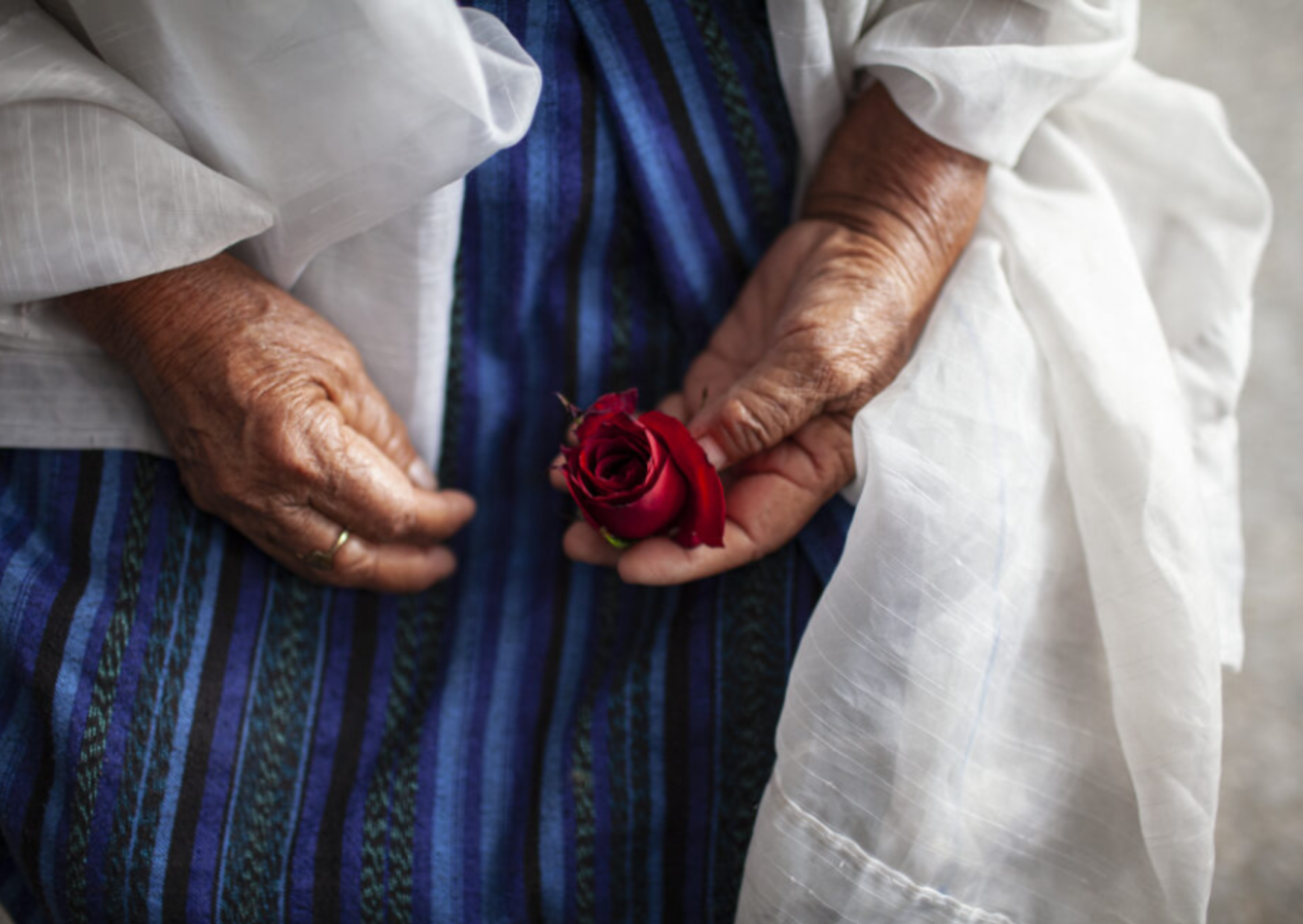
Copyright: Sandra Sebastián
Colombia Decriminalizes Abortion up to 24 Weeks: A Landmark for Reproductive Rights
Constitutional Court (Colombia). On February 21, 2022, the Constitutional Court of Colombia issued Judgment C-055, a historic ruling that advances the protection of sexual and reproductive rights by decriminalizing consensual abortion up to the 24th week of pregnancy. This decision allows women, trans men, and non-binary individuals to access abortion without the risk of criminal penalties, according to their own reasons and circumstances. After the 24th week, abortion remains permitted under the conditions established in 2006 by Judgment C-355: when there is a risk to the life or health of the pregnant person, when there are fetal malformations incompatible with extrauterine life, or in cases of pregnancy resulting from sexual violence or incest.
The Court urged Congress and the Government to develop a comprehensive public policy to ensure access to health services, sexual education, and family planning, while respecting the reproductive autonomy and dignity of pregnant persons. In its reasoning, the Court analyzed several sensitive areas: the right to health and reproductive rights of women, girls, and pregnant persons; freedom of conscience, allowing individuals to act according to their reproductive convictions; equality for women in vulnerable situations and for migrants; and the compatibility of this measure with the preventive function of criminal penalties.
This ruling, which does not depend on future regulations, represents an immediate and significant change in Colombia’s legal framework regarding the right to abortion, opening new possibilities for the protection of reproductive rights in the country.

Copyright: Sandra Sebastián
A Protocol for the Protection of Human Rights Defenders
In December 2021, CEJIL – together with more than 30 organizations and international law experts – published the Esperanza Protocol, the first regional tool designed to promote an effective response to threats against human rights defenders (HRDs), journalists, and other key actors. Its purpose is to guide the creation of policies and investigative guidelines that help combat impunity, raise awareness of the issue, highlight the differentiated effects of threats on defenders with diverse identities, strengthen investigations, and promote an intersectional approach to human rights violations.
The Protocol states that establishing public policies for a safe environment for human rights defense, along with a specific criminal policy regarding threats against HRDs, is part of the State's obligations to respect human rights, fulfill due diligence towards HRDs, guarantee non-discrimination, and ensure adequate reparation. Although it does not propose a model criminal offense, the Protocol offers principles for the criminal investigation of threats against HRDs, such as the thorough collection of evidence and the consideration of the context and characteristics of victims and perpetrators, as well as principles for effective reparation in line with international law.

Copyright: María Katz
Strategic Litigation for Gender-Based Violence: Experiences in Latin America
The report reflects the exchange of experiences carried out during the Online Workshop on Strategic Litigation on Gender Violence in Latin America, organized on October 21-22, 2020.
The event was supported by the Office of the United Nations High Commissioner for Human Rights (OHCHR), together with the American University Washington College of Law, through its War Crimes Research Office and its Academy on Human Rights and Humanitarian Law, and Leiden University, through its Grotius Centre for International Legal Studies.
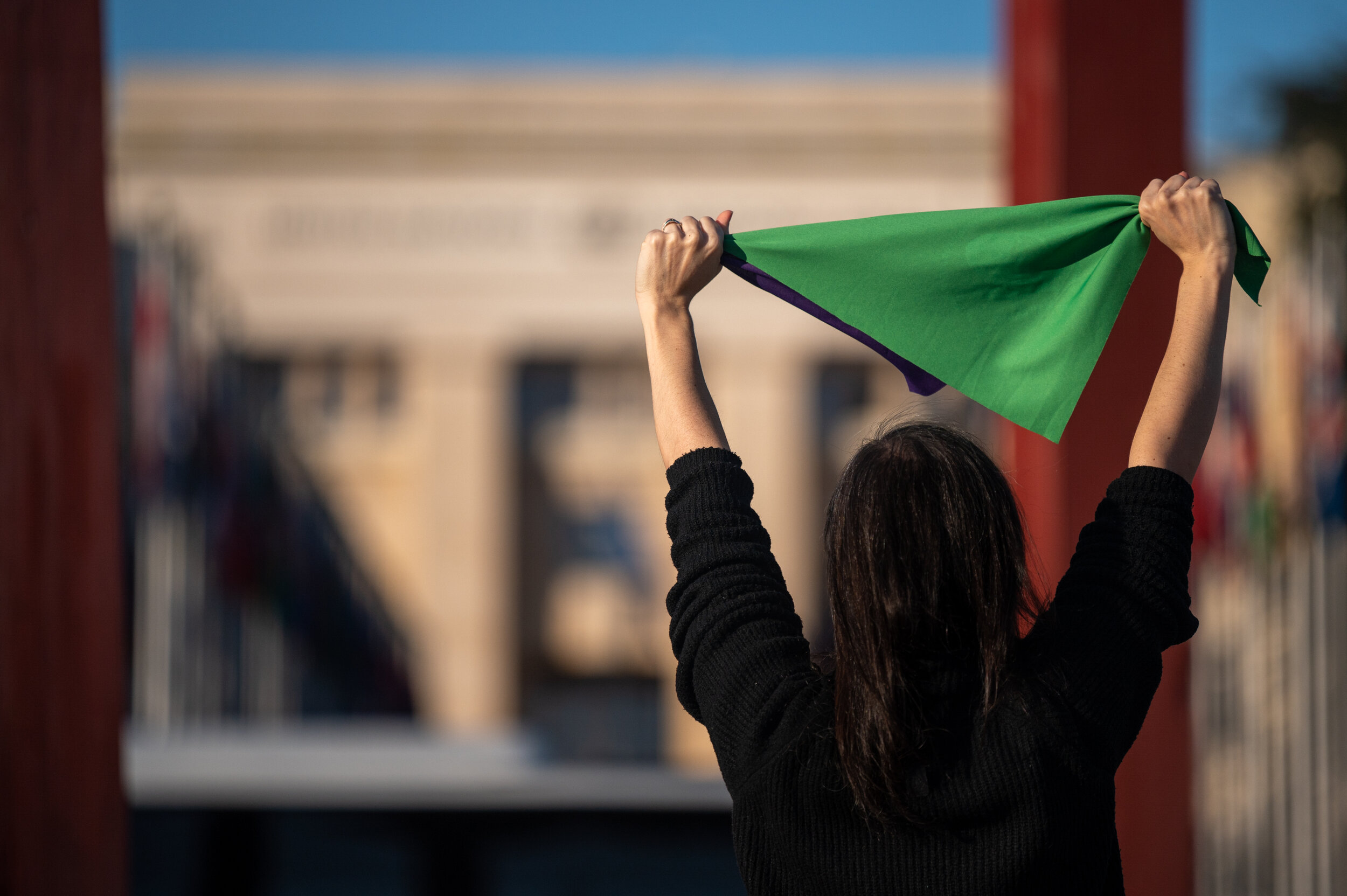
©Nicolás Braguinsky Cascini
OHCHR Webstory: Strategic litigation can be a force for gender justice
A group of lawyers, academics, legal practitioners and activists across Latin America have united, under the belief that court cases, when used strategically, can bring justice, reparations and healing to the numerous survivors of sexual and gender-based violence.
The Latin American Network for Gender-based Strategic Litigation (Red Latinoamericana de Litigio Estratégico en Género, ReLeG in Spanish) formed as a way to both advocate and strengthen accountability efforts for gender-based crimes in Latin America, and provide a way for advocates to disseminate and exchange best practices for litigation across the region. Continue reading.